What Is a HESCO Barrier?
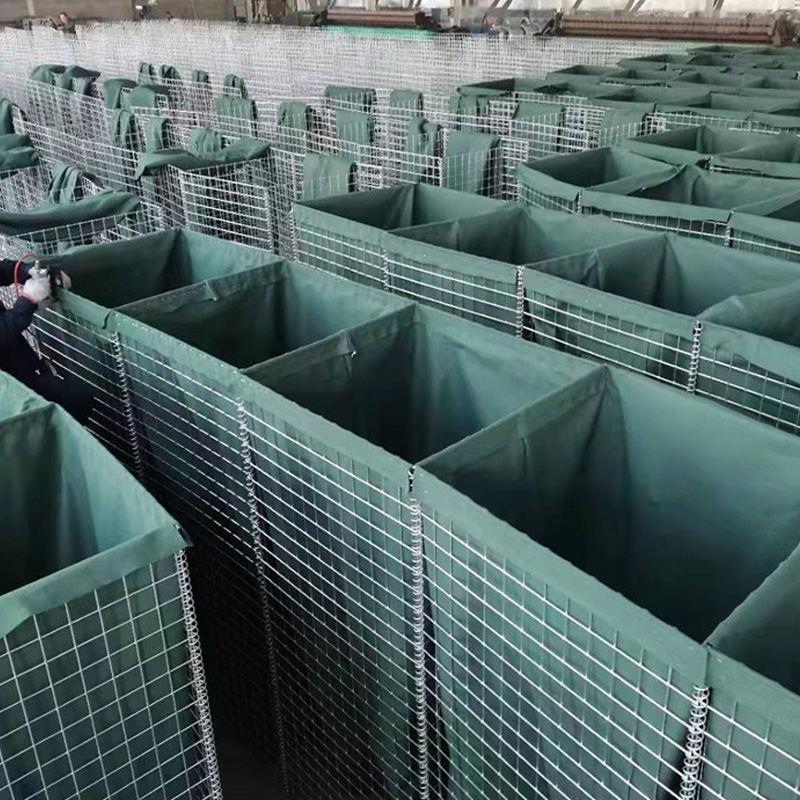
A HESCO barrier, also known as a HESCO bastion, is a modern defensive container made of welded wire mesh and heavy-duty geotextile fabric. It is filled with materials such as sand or gravel to create fast-deploying military fortifications, flood defenses, and perimeter-protection walls.
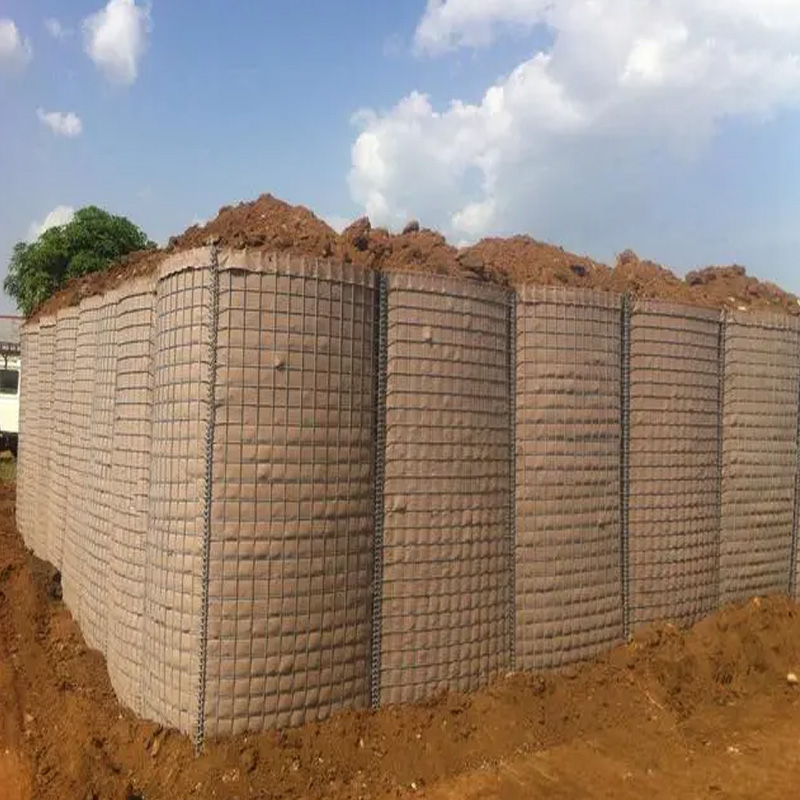
Today, HESCO barriers are used worldwide by military forces, governments, humanitarian organizations, and infrastructure operators due to their durability, modularity, and rapid deployment speed.
History and Development of the HESCO Barrier
The HESCO barrier was invented by British engineer Jimi Heselden in the late 1980s. The original design aimed to protect coastal areas from erosion, using a collapsible steel-mesh container filled with sand.
Over time, the system evolved into one of the most important force-protection tools in the world.
Key Historical Milestones
- 1989: The first HESCO units were introduced for erosion and coastline stabilization.
- 1990s: The British Army adopted the system during operations in the Balkans.
- 2001–2010: Massive global use in Iraq and Afghanistan cemented the HESCO barrier as a standard NATO fortification.
- 2010s–Present: Expanded global use in flood control, border protection, and disaster-response engineering.
How HESCO Barriers Work
A standard HESCO barrier includes:
- Galvanized steel welded mesh
- Heavy-duty non-woven geotextile liner
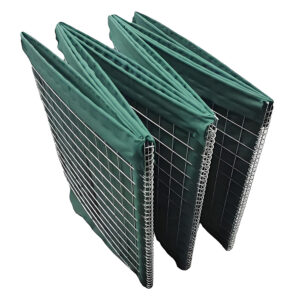
- Collapsible modular frame
- Fill material such as sand, soil, or gravel
Once deployed and filled, the unit becomes a high-mass protective structure that absorbs blast waves, blocks water, and reinforces vulnerable areas. Multiple units can link together to form long defensive walls or complete fortification systems.
Why Are Chinese HESCO Barriers Cheaper Than UK-Made Units?
Many international buyers notice that Chinese HESCO barriers cost 30–60% less than those made in the UK. The reasons are structural and industry-related, not quality gaps.
1. Lower Raw Material and Steel Costs
China is the world’s largest steel producer. Steel wire, welded mesh, and geotextile fabrics have significantly lower domestic costs than European equivalents.
2. Lower Labor and Manufacturing Costs
UK labor and compliance costs are among the highest globally, while Chinese manufacturing labor costs remain competitive, reducing total production expense.
3. Integrated Supply Chain (All Materials in One Region)
Chinese factories typically source steel wire, geotextile fabric, welding, and galvanizing within the same industrial zone—reducing logistics costs and delays.
4. Large-Scale Automated Production
Many Chinese factories use automated mesh-welding lines and large-volume manufacturing, lowering per-unit output cost.
5. Flexible Customization Options
Chinese suppliers offer multiple mesh diameters, galvanizing standards, and fabric weights, enabling buyers to select cost-efficient configurations.
6. No Heavy Brand Premium
UK-made barriers often include brand licensing fees, defense certifications, and high domestic production costs, resulting in a higher retail price.
Conclusion
A HESCO barrier is an efficient, durable, and rapidly deployable defensive system used worldwide for military, flood, and security applications. Since its invention in the UK, it has grown into a global industry, with Chinese manufacturers offering competitive pricing due to lower raw-material costs, integrated supply chains, and scalable production capabilities.
Frequently Asked Questions
What is a HESCO barrier made of?
A HESCO barrier consists of galvanized steel mesh and a geotextile liner, filled with sand, soil, or gravel.
Are Chinese HESCO barriers reliable?
Yes. They use the same materials and production standards as international suppliers, including heavy galvanizing and industrial welding.
How fast can a HESCO barrier be deployed?
With a loader, hundreds of meters of defensive wall can be installed within hours.
What are HESCO barriers used for?
They are used for military fortification, flood protection, checkpoint construction, border security, and infrastructure defense.
To learn more about our products, please click here.
Leave a Reply